Square Groove Weld: AWS D1.1 Rules, CJP vs. PJP, Technique and Common Mistakes
Square groove weld guide: AWS D1.1 root openings, CJP vs PJP, fit-up, technique, defects, inspection and when to…
READ ARTICLE →HVAC technicians specialize in heating, ventilation, and air conditioning systems. Welders focus on joining metal parts using heat and tools.
Exploring careers in skilled trades? HVAC and Welding are two prominent fields with unique skill sets, work environments, and career opportunities. Deciding on a path depends on individual interests in climate control technology or metal fabrication and welding techniques. Both trades are in demand, offering job security, but their work settings and tools differ greatly.
HVAC is often associated with indoor, customer-centric work, while welding is typically more industrial and may involve outdoor projects. Aspiring tradespeople should consider their long-term career objectives and personal preferences when choosing between these rewarding careers.

Credit: m.facebook.com
Understanding HVAC is key to making smart choices for home and work environments. The contrast between HVAC and welding touches on different career paths and skill sets. This section dives into the essentials of HVAC.
HVAC stands for Heating, Ventilation, and Air Conditioning. It is the system that keeps spaces comfy. It heats homes in winter and cools them in summer. It also ensures fresh air throughout buildings to keep everyone healthy.
| Component | Function |
|---|---|
| Thermostat | Controls temperature |
| Furnace | Heats the air |
| Air Conditioner | Cools the air |
| Ductwork | Moves air around |
| Vents | Outlet for air |
| Air Filters | Cleans the circulating air |
Each component of an HVAC system plays a vital role in maintaining ideal temperature and air quality. By working together, they make our indoor life comfortable and safe.
Welcome to the fascinating world of welding basics, a foundational skill set in the realm of construction and fabrication. Whether in HVAC systems or numerous other industries, welding plays a crucial role in bringing strong, durable joints to life.
What is Welding?Welding is like gluing metal pieces, but much stronger. Instead of glue, it uses heat to melt the parts together. When cooled, they become one piece. It’s used to build things like cars, bridges, and even space stations!
There are different ways to weld, depending on the job. Here are some common methods:
| Welding Type | How It Works | Common Uses |
|---|---|---|
| MIG Welding | Uses a gun to join metal with a wire. | Making cars and robots. |
| TIG Welding | Uses a rod to make clean welding lines. | Building bikes and airplanes. |
| Stick Welding | Uses stick electrodes, good for outdoors. | Fixing farm equipment, building structures. |
| Flux Welding | Uses flux to protect weld from air. | Pipe welding, shipbuilding. |
Every type has its tools and tricks. Knowing them helps pick the right process for the job.
HVAC Career Opportunities are booming as industries and homes increasingly focus on energy efficiency and comfort. This sector offers a diverse range of job roles with promising growth and development options. Let’s explore the job roles and skills that can forge a successful career in HVAC.
| Technical Skills | Soft Skills |
|---|---|
|
|
Exploring a career in welding uncovers a world of innovation and creativity. Welding Career Opportunities are booming, as industries from automotive to aerospace constantly seek skilled professionals who can join metals with precision and durability.
The craft of welding demands a mix of hard and soft skills to excel in the various job roles. The following are essential:
| Technical Skills | Soft Skills |
|---|---|
|
|
As we dive into the latest surge of innovation, one sector showing significant evolution is HVAC. This industry balances comfort with efficiency, offering cutting-edge solutions. Let’s explore the emergent trends revolutionizing the way we manage indoor climates.
Smart Thermostats now allow users to control heating and cooling remotely. Advanced sensors optimize energy use, cutting costs. Additionally, AI Integration predicts maintenance, enhancing system lifespan.
Geothermal Heat Pumps showcase remarkable efficiency. They use the earth’s steady temperature to cool and heat homes. This leads to consistent indoor comfort and lower utility bills.
The push for green solutions in HVAC is strong. New regulations aim to reduce carbon footprints and promote sustainability. Low Global Warming Potential refrigerants are now in use to minimize ozone layer damage.
Solar-powered HVAC systems represent the future of eco-friendly climate control. They harness sunlight, turning it into clean energy for cooling and heating. This reduces reliance on fossil fuels and decreases pollution.
Exploring the latest trends in the welding industry reveals a landscape of constant change and innovation. Skilled trades like welding continue to evolve. These changes affect how professionals approach their craft. Let’s dive into the latest trends that are reshaping welding.
The rise of automation greatly impacts the welding sector. Manual welding tasks are giving way to robotic systems. These systems offer precision and efficiency. Here are some automation developments:
Robotic welders are not replacing humans. They partner with welders for better results.
The push for eco-friendly practices has reached welding. Sustainability in welding acknowledges the need for greener methods. Below are sustainable welding innovations:
These trends reflect the welding industry’s commitment to a greener future.
Deciding on a career is a big step. Two popular trades are HVAC (Heating, Ventilation, and Air Conditioning) and welding. Both have unique job outlooks with growing demands. This section dives into what future professionals can expect in terms of employment opportunities in these fields.
The need for HVAC experts is rising. Buildings are becoming more advanced, and climate control is essential for comfort and health. Below are some key points about the HVAC industry:
According to the U.S. Bureau of Labor Statistics (BLS), HVAC roles are expected to grow at a rate of 5% from 2020 to 2030.
Welding is a core activity in various industries, from automobile manufacturing to construction. Let’s look at the projections:
| Year | Job Growth |
|---|---|
| 2020 | Stable |
| 2030 | 8% Increase |
Such growth is partly because of the aging infrastructure needing repair and the ongoing need for skilled workers in manufacturing. This outlook comes from the BLS which indicates that welders are in steady demand.
Choosing to pursue a career in Heating, Ventilation, and Air Conditioning (HVAC) opens up a variety of pathways towards professional certification and higher education. Proper training equips technicians with the knowledge and skills needed for success. Let’s explore the options for HVAC training and education.
Certification programs are essential in HVAC careers. These programs often range from six months to two years. They provide hands-on experience and in-depth technical knowledge. Participants learn about system design, installation, maintenance, and repair. Certifications can come from organizations like NATE (North American Technician Excellence) and HVAC Excellence.
A step beyond certifications, degree programs offer comprehensive HVAC training. Associates degrees are common and take about two years to complete. Graduates emerge with a robust understanding of HVAC systems, energy management, and even business principles.
| Type of Degree | Duration | Key Focus Areas |
|---|---|---|
| Certificate | 6-12 months | Basic HVAC systems, technical skills |
| Associate’s Degree | 2 years | Advanced HVAC knowledge, business skills |
| Bachelor’s Degree | 4 years | Management, Engineering principles |
Some pursue bachelor’s degrees, which provide deeper insights into engineering principles and management. This option takes roughly four years. Graduates are well-prepared for leadership roles within the industry.
Choosing a career in welding opens the door to a world of creative and technical work. Training and education form the backbone of a successful welding career. Let’s dive into the different paths you can take.
Apprenticeships offer a blend of classroom learning and hands-on experience. They are crucial first steps for aspiring welders.
Apprenticeships not only build skill but also impart valuable industry insights.
Certifications solidify your expertise and widen job prospects. They are essential for any welder’s career advancement.
Certification programs ensure that welders meet industry standards and keep up with evolving technologies.
HVAC Salary and Compensation:
The world of Heating, Ventilation, and Air Conditioning (HVAC) boasts a rewarding career path rich with opportunity and stability. A vital question on the minds of potential HVAC technicians relates to their potential earnings. Here, we’ll delve deep into what one might expect in terms of salary and other compensations in this field.
Becoming an HVAC technician can lead to a comfortable lifestyle. Salary rates vary based on location, experience, and certifications. On average, an HVAC technician might expect a salary that reflects their technical know-how and hands-on skills.
| Experience Level | Average Annual Salary |
|---|---|
| Entry-Level (< 1 year) | $30,000 – $40,000 |
| Mid-Level (1-4 years) | $40,000 – $60,000 |
| Experienced (5-9 years) | $50,000 – $70,000 |
| Senior-Level (>10 years) | $60,000 – $80,000+ |
Several elements influence how much an HVAC technician earns. Here’s a breakdown to help paint a clearer picture:
If you’re eyeing a career in the trades, understanding the potential earnings is crucial. Let’s break down what a career in welding can offer in terms of salary and compensation.
The average welder salary in the United States often sparks interest among job seekers. Data from the Bureau of Labor Statistics reveals that the median pay for welders, cutters, solderers, and brazers was $44,190 per year as of May 2020. This translates to approximately $21.25 per hour. Entry-level welders can expect to start at a lower wage, which will increase with experience and skill advancement.
Diverse variables influence how much welders earn:
Let’s look at some numbers:
| Experience Level | Salary Range |
|---|---|
| Entry-Level | $28,000 – $40,000 |
| Mid-Level | $40,000 – $55,000 |
| Experienced | $55,000 – $70,000+ |
Workers in the HVAC industry face potential safety risks daily. It’s crucial to understand these risks and how to mitigate them. Proper safety protocols help protect workers from harm. This section dives into the critical safety measures crucial for anyone in the HVAC field.
Staying safe on the job involves several strategies and tools:
Safety training is non-negotiable for HVAC technicians. It ensures they recognize hazards and respond correctly. Here’s why it’s essential:
| Reason | Benefit |
|---|---|
| Understanding of OSHA regulations | Maintains compliance and avoids fines |
| First Aid and CPR knowledge | Enables immediate response to accidents |
| Fire safety techniques | Reduces the risk of fire hazards |
Exploring HVAC and welding careers reveals distinct safety protocols; welders must prioritize protective gear to shield from intense heat and sparks. The HVAC industry focuses on electrical and refrigerant safety, ensuring technicians are well-versed in proper handling and accident prevention.
Welding ranks high among industrial processes that require serious safety measures. Burns, eye damage, and fires are risks welders face daily. Protecting welders demands strict precautions. The following segments discuss vital safety steps and gear for welders.
Safe welding practices are non-negotiable. Regular training keeps welders updated on safety protocols. A safe workspace is clear of hazards and well-ventilated. Emergency plans must be ready for quick action. Below are essential safety tips for welders:
Effective protective gear is crucial for welder safety. Below is a table of essential items:
| Gear Type | Function | Details |
|---|---|---|
| Helmet | Shield eyes and face | Must have filter to protect from UV rays |
| Gloves | Protect hands | Heat-resistant, insulated |
| Apron | Cover clothing | Flame-resistant material like leather |
| Boots | Safeguard feet | Steel-toe, non-flammable, rubber-soled |
| Earmuffs | Protect hearing | Prevent damage from noise |
| Goggles | Shield eyes | Protect from debris and sparks |
Each piece of gear should meet industry standards. Regular gear checks are vital. Replace gear that shows signs of damage immediately.

Credit: www.linkedin.com
Choosing a career in HVAC comes with its unique set of challenges. Understanding these can help aspirants prepare for what lies ahead. This post explores common hurdles within the HVAC industry.
The HVAC industry is vital for maintaining comfort in homes and offices. Yet, several industry challenges exist:
On the job, HVAC technicians face several obstacles:
The realm of welding brims with a blend of challenges. Mastering the art requires facing and overcoming numerous obstacles. Each welder’s journey is laden with hurdles, from industry standards to workplace environments.
Welders confront an array of industry-specific challenges. Noteworthy is the swift evolution of technology. Staying adept means continuous learning. Moreover, adhering to strict regulations is a must.
Within the confines of their daily workspace, welders navigate through distinct obstacles. Physical demands take a toll on the body. Prolonged exposure to heat and fumes poses health risks. Quality maintenance under pressured conditions often tests a welder’s skill.
Under tight deadlines, ensuring precision and quality is crucial. Every weld holds the potential for risk or reward.
The Heating, Ventilation, and Air Conditioning (HVAC) world is heating up with innovation. New technologies are shaping the future of how we stay comfortable indoors. As the HVAC industry evolves, understanding these changes is vital to staying ahead. Let’s explore what’s on the horizon.
Smart technology is transforming HVAC systems. Here’s what’s emerging:
Wi-Fi enabled units let you control temperature from anywhere.
The HVAC industry keeps growing. Skilled professionals are in high demand. Check out this evolution:
| Year | Change |
|---|---|
| 2020 | Increased energy-efficient designs. |
| 2025 | Introduction of ozone-friendly refrigerants. |
| 2030 | Integration of solar power in HVAC systems. |
Green practices are key to this evolution, with sustainability at the core of new designs.
As we delve into the world of skilled trades, the realm of welding stands out with its bright future. Welding remains a critical process in manufacturing, construction, and repair. Technological advancements and evolving industry needs are shaping a vibrant horizon for welders. The next generation of welding professionals will witness and work with remarkable transformations.
The welding landscape is rapidly changing thanks to innovation. Cutting-edge tools and processes are making waves in the industry. Let’s look at some of these game-changing technologies:
The industry’s evolution is driven by a demand for skilled labor and advanced methodologies. Below is a glimpse of the welding industry’s growth trajectory:
| Year | Innovation | Impact |
|---|---|---|
| 2021 | AI in welding | Enhanced quality control |
| 2022 | Eco-friendly materials | Greener welding practices |
| 2023 | Collaborative robots | Higher productivity and safety |
The push for sustainability is driving the adoption of new materials and processes. This creates a demand for welders who are not just skilled with a torch but also versed in digital tools and eco-conscious practices.
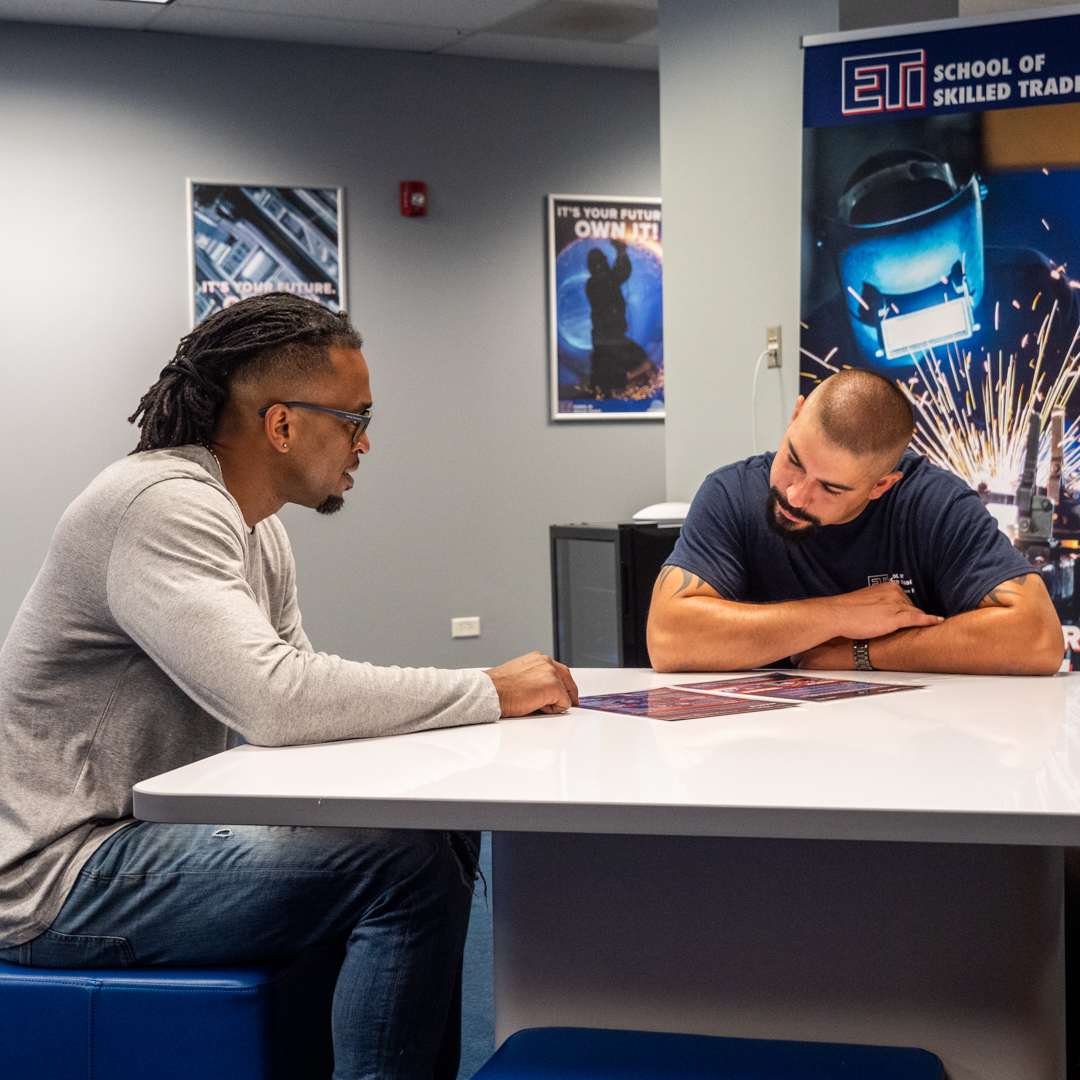
Credit: eticampus.edu
HVAC can be more lucrative for technologically inclined individuals who prefer working on systems and controls. Welders, on the other hand, may earn more in specialized fields such as underwater welding. Salary often depends on the level of expertise, location, and demand.
HVAC training typically focuses on systems installation, maintenance, and repair, with an emphasis on regulations and electronic controls. Welding training, however, concentrates on various welding techniques and metals, often requiring hands-on practice and certifications in specialized skills.
The better career choice between HVAC and welding depends on personal interests and career goals. HVAC offers a stable job market with growth potential in green technologies, while welding offers diverse opportunities in industries like construction and manufacturing. Both trades require different skill sets and passion.
The job outlook for HVAC technicians is expected to grow due to the increasing focus on energy efficiency and climate control technologies. Conversely, welding careers are also expected to grow, especially in infrastructure-related projects and advanced manufacturing sectors.
Deciding between HVAC and welding careers hinges on individual preferences and goals. Both fields offer unique challenges, growth opportunities, and financial rewards. Assess your interests, aptitude, and desired work environment before choosing. Your path to a rewarding career awaits, be it through the circuits of HVAC systems or the sparks of welding.