Travel Angle Welding: The Complete Push vs Drag Guide for Perfect Beads
My uncle Ray taught me more about welding geometry than every textbook I have read since, mostly without…
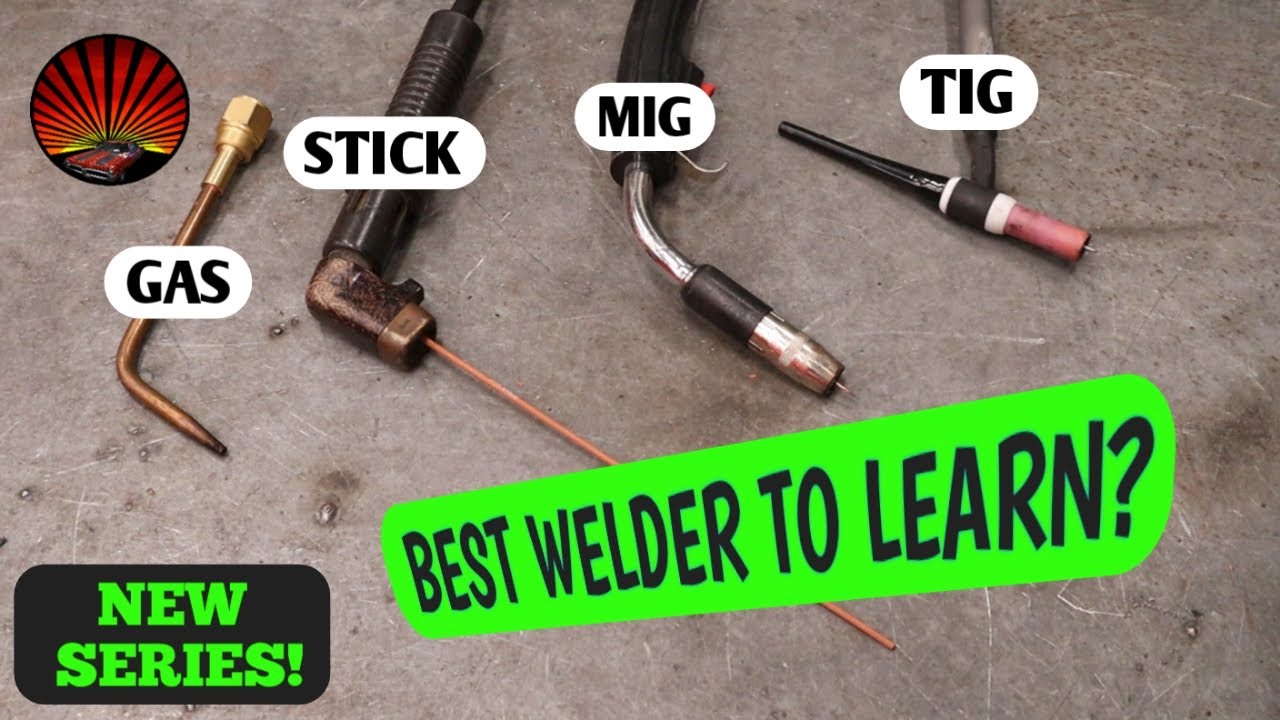
READ ARTICLE →MIG welding uses a continuous wire feed and is suitable for thin or thick materials. TIG welding offers high precision, whereas Stick welding is versatile and works well outdoors.
Mastering various welding techniques can significantly enhance fabrication quality and efficiency. MIG (Metal Inert Gas) welding, also known as GMAW (Gas Metal Arc Welding), is favored for its speed and ease of use, often used in manufacturing and home repair.
TIG (Tungsten Inert Gas) welding, or GTAW (Gas Tungsten Arc Welding), stands out for its ability to control the weld with impeccable precision, perfect for critical welds where aesthetics and fine detail are important. Stick welding, or SMAW (Shielded Metal Arc Welding), shines with its simplicity and capacity to tackle tough conditions, such as windy or dirty environments. Each method has its own merits, making understanding their differences crucial for welders to determine the best approach for their specific project needs.

Credit: www.amazon.com
MIG welding, or Metal Inert Gas welding, is a popular form of welding. People know it for its ease and versatility. This welding type uses a spool of wire and a weld gun. Electricity melts the wire for the join. Shield gas protects the weld from air. We can use MIG welding for many metals. Let’s dive into the details of MIG welding below.
MIG welding starts with a power source connected to a weld gun. A wire feed sends welding wire from a spool through the gun. As you press the trigger, the wire comes out. The wire melts as it touches the workpiece. This creates the weld pool. Shield gas flows out to protect this pool from contaminants in the air.
MIG welding suits a range of applications. It shines in auto repair, fabrication, and constructing metal structures. Its simplicity and speed make it ideal for production work. MIG is a go-to for home welding too.
TIG welding, known for precision and cleanliness, stands as a pinnacle technique in welding. Unique for its use of a tungsten electrode, it allows for high-quality joins. Let’s dive into its process, advantages, and appropriate applications.
TIG welding, or Tungsten Inert Gas welding, uses a non-consumable tungsten electrode to produce the weld. The arc of electricity formed from the electrode melts the metal. A separate filler material often adds to the molten pool.
During this process, an inert gas, typically argon, shields the weld area from contamination. It is a meticulous method demanding steady hands and keen eyes.
TIG welding shines in applications where precision is critical. Common uses include:
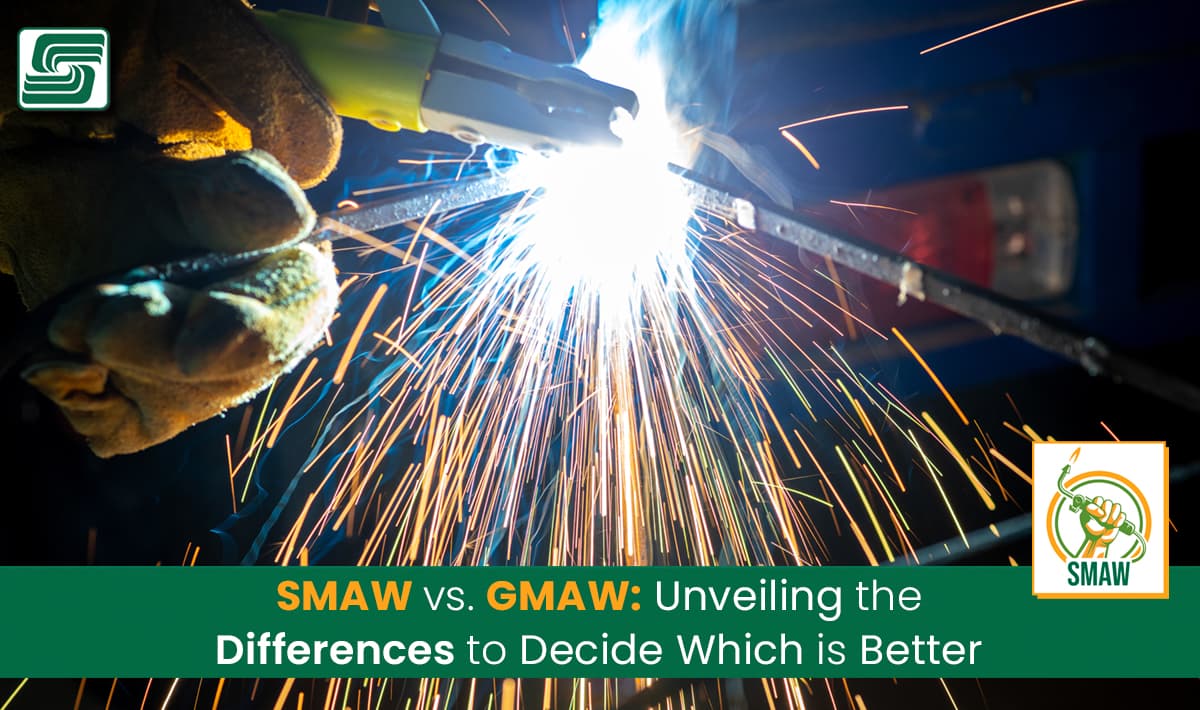
Stick welding, also known as Shielded Metal Arc Welding (SMAW), stands out for its versatility and simplicity. It’s a tried-and-true method popular among professionals and hobbyists alike. Let’s delve into the specifics of stick welding, examining its process, advantages, disadvantages, and best uses.
At its core, stick welding uses an electric current to create an arc between a stick electrode and the metals being joined. It’s the arc that melts the electrode, forging a strong bond as the molten metal cools. This technique doesn’t rely on external shielding gas, as the electrode coating disintegrates to shield the weld.
Stick welding shines in construction and heavy repair due to its robust nature. Ideal for infrastructure projects, it’s also great for at-home fixes. Here’s where stick welding performs best:
| Environment | Material Thickness | Application |
|---|---|---|
| Outdoor | Medium to Thick | Construction |
| Indoor/Outdoor | Thick | Heavy Repair |
| Variable | Medium | DIY Projects |
Credit: www.schuettemetals.com
Choosing the right welding process is crucial for the perfect weld. It’s essential to compare MIG, TIG, and Stick welding to understand which suits a given task. Here’s a breakdown of key factors such as speed, precision, welding positions, materials, and setup.
MIG welding leads the pack in speed, ideal for projects needing quick completion. TIG welding is slower due to its detailed process, while Stick welding falls in the middle, balancing speed and quality.
TIG welding offers the highest precision, perfect for intricate and detailed work. MIG is less precise but still accurate for general projects. Stick welding is least precise and suits larger, more robust jobs.
Stick welding excels in versatility, allowing for welding in various positions. TIG is less flexible, often requiring a flat surface. MIG works well in multiple positions but may struggle with vertical or overhead welding.
Material compatibility varies by welding type. MIG can handle a wide range of metals, including mild steel, stainless steel, and aluminum. TIG is ideal for thinner gauge materials. Stick welding is great for outdoor jobs on most alloys and metals.
MIG welding is user-friendly with minimal setup and clean-up, making it a popular choice. TIG requires a more complex setup and is a cleaner process due to less spatter. Stick welding is easy to set up but results in more spatter and requires extra clean-up.
Choosing the right welding equipment is crucial for any welding project. Welders often debate between MIG, TIG, and Stick welding, each with its unique features. Here’s a closer look at these welding machines to help you make an informed decision.
MIG welders are known for their speed and ease of use. These welders are great for beginners and offer a clean weld with less splatter.
| Feature | Description |
|---|---|
| Wire Feed Speed | Adjustable for different thicknesses. |
| Power Settings | Multiple settings for various metals. |
TIG welding shines with precision and finish. This type of welding is ideal for detailed work and thinner materials.
Commonly used for stainless steel and aluminum.
Stick welders are rugged and can handle outdoor conditions. These are ideal for heavy-duty construction work and repair jobs.
Electrode choice varies based on metal type and thickness.
MIG (Metal Inert Gas), TIG (Tungsten Inert Gas), and Stick welding are popular methods. Each has benefits and preferred applications. Experienced welders achieve the best results. Beginners often learn differences over time. Understanding joint types, common mistakes, and tips for success can help.
Different welding methods suit different joint types. See the table below for details:
| Welding Technique | Recommended Joint Types |
|---|---|
| MIG Welding | Butt, T-joint, Lap, and Edge |
| TIG Welding | Corner, Butt, T-joint, and Lap |
| Stick Welding | Fillet, Groove, and Butt |
Welding poses risks, whether you choose MIG, TIG, or Stick. Understanding safety measures is critical to ensure a secure working environment. Here, we cover essential safety gear, the need for proper ventilation, and ways to prevent fire hazards.
Wearing the right gear protects you from welding dangers. Here’s what you need:
Welding releases harmful fumes. Proper ventilation is crucial. Ensure these practices:
Sparks and hot materials from welding can start fires. Reduce this risk:
| Action | Benefit |
|---|---|
| Keep workspace clear of flammable materials | Lowers the chance of materials catching fire |
| Have a fire extinguisher nearby | Enables quick response to any fire outbreak |
| Inspect equipment before use | Prevents malfunctions leading to fire risks |
Credit: m.youtube.com
When comparing MIG, TIG, and Stick welding, cost is a vital factor to consider. Understanding the financial implications will guide you to the right choice for your projects. Let’s dive into a detailed cost analysis of these welding types.
MIG (Metal Inert Gas): MIG welding equipment offers versatility at a moderate cost. A basic setup includes:
This setup leads to a mid-range initial investment price.
TIG (Tungsten Inert Gas): TIG welders need high precision tools. The setup involves:
The initial costs are typically higher due to specialized tools.
Stick (Shielded Metal Arc Welding): Stick welding equipment is usually less costly. A basic stick welding setup includes:
This makes the initial investment the lowest among the three.
Operating costs over time can impact your budget significantly. Let’s break them down:
| Type | Consumables | Electricity | Maintenance |
|---|---|---|---|
| MIG | Wire, tips, nozzles, gas | Medium | Regular |
| TIG | Tungsten, gas, filler material | Low to medium | Frequent, due to precision parts |
| Stick | Electrodes | High | Less frequent |
MIG welding incurs moderate consumable costs with average electricity use and maintenance needs. TIG welding, while using less electricity, can have high consumable costs and requires more frequent maintenance due to delicate parts. Stick welding exhibits higher electricity use but has minimal consumable costs and less frequent maintenance.
All in all, each welding process has unique cost dynamics. Budget assessment aligned with project requirements is key.
When choosing between MIG, TIG, or Stick welding, skill level plays a crucial role. Each method demands a different level of expertise. This can greatly impact your work quality and safety. Let’s break down the skills needed for each type of welding.
MIG welding rates as the easiest. It’s often recommended for starters. This welding involves a spool of wire and a MIG gun. The process is more forgiving for new welders. It’s straightforward and requires basic hand-eye coordination. Here’s what you need to start:
Stick welding ups the challenge. Stick welders control the rod and the arc. More precision is necessary. These welders need steady hands and the ability to maintain a consistent arc. Stick welding requires:
TIG welding stands as the most skill-intensive. A delicate dance between the torch, the filler rod, and the pedal is necessary. It demands a high level of precision and control. TIG is for those with experience. Here, exceptional skills are key:
When we discuss welding processes like MIG, TIG, and Stick, it’s important to consider not just their effectiveness but also how they affect the planet. Each method differs greatly in their emissions and energy usage. Let’s dive into the environmental aspects of these welding techniques.
Fume emissions are a huge environmental concern in welding. Different welding methods generate different levels of fumes, which can harm both the atmosphere and human health. MIG welding usually produces more fumes than TIG welding due to its use of consumable wire. Stick welding creates noticeable fume emissions too. It relies on an electrode that burns away, releasing particles. TIG welding is often seen as cleaner, producing the least fumes since its electrode isn’t consumed in the process.
Energy use is another key factor impacting the environment. Welding requires power, and the input can vary greatly between techniques. Generally, Stick welding tends to use less energy compared to MIG or TIG. This is due to its simpler setup and effectiveness on thicker materials. MIG and TIG welding typically need more energy to achieve a stable arc. However, TIG can require less overall energy when used for thinner materials or fine, detailed work. Below is a comparison of energy consumption across the three methods.
| Welding Process | Energy Use |
|---|---|
| Stick Welding | Lower |
| MIG Welding | Higher |
| TIG Welding | Varies |
| Depends on material thickness and job intricacy. | |
Mastering the art of welding opens doors to various industries. Certification is key for success as a professional welder. It proves skill in MIG, TIG, or Stick welding. Employers look for certified welders. This section dives into the certification process.
Before starting the journey, understanding the requirements is essential. Here’s what you need to know:
To become certified, one must pass a test. The certification process includes:
Each type of welding has unique certifications. MIG, TIG, and Stick welders follow different paths. Choose one that aligns with your career goals.
| Welding Type | Certification Body | Test Focus |
|---|---|---|
| MIG (GMAW) | American Welding Society (AWS) | Fillets and groove welds on various thicknesses |
| TIG (GTAW) | American Welding Society (AWS) | Precise welds on thin materials |
| Stick (SMAW) | American Welding Society (AWS) | Welding with electrodes on heavy materials |
Upon passing, your certification lasts three years. To maintain it, keep welding or take additional exams.
Keeping welding equipment in top shape is crucial. MIG, TIG, and Stick welding all require ongoing care. Proper maintenance ensures longevity and safety. Each method has unique needs.
Maintenance routines differ per welding type. Daily checks keep equipment ready. Cleanliness extends lifespan. Below, key points for each method:
When issues arise, quick action is key. Spot common problems with these tips:
Record keeping aids in faster fixes. Log maintenance and issues. Consult manuals for specific guidance.
The world of welding is always evolving. Craftsmen and industry engineers are consistently on the lookout for smarter, more efficient techniques. The time-tested trio of MIG, TIG, and Stick welding is no exception. Each method holds its own, but advancements in technology and shifts in industry demand are shaping the future of welding. Let’s explore the trends poised to redefine these welding processes.
Automation conquers complexity. Newer MIG, TIG, and Stick welding machines offer greater control with user-friendly interfaces. These devices benefit from:
Innovative materials need novel approaches. As industries introduce unique alloys, welding technologies adapt to ensure clean, strong joins. With higher-strength metals comes the need for:
Green practices gain traction. Sustainable welding solutions aim to reduce environmental impacts. Key improvements include:
Automation elevates productivity and consistency. Industries are rapidly integrating automated welding to enhance output. This shift results in:
Sector-specific shifts shape demand. Different sectors favor different welding methods. For instance, aerospace trends lean toward the precision of TIG welding. Automotive and construction industries gravitate towards the efficiency of MIG and Stick welding. Observations in adoption show:
Educational emphasis secures skilled labor. With evolving technologies, training becomes crucial. Industry cooperation with educational institutions is spawning:
MIG uses a continuous wire feed, making it fast for long welds. TIG requires more skill, offering precision for thin materials. Stick welding is versatile, ideal for outdoor use and thick materials due to its robustness against wind and weather.
MIG welding is generally best for beginners. It’s easier to learn, less complex, and requires less manual dexterity compared to TIG or Stick welding. The continuous wire feed of MIG also aids in smoother, more consistent results for those new to welding.
MIG welding is typically the fastest method, ideal for production work and long, straight welds. TIG is slower, prioritizing precision over speed. Stick welding falls in the middle, being slower than MIG but often faster than TIG, depending on the welder’s skill.
MIG welding can be more costly upfront due to the equipment and continuous wire feed. Stick welding often has the lowest entry cost with minimal equipment needs. TIG, while precise, requires costly, high-quality materials like tungsten electrodes and argon gas.
Determining the right welding method depends on your project needs. MIG, TIG, and Stick each have distinct advantages and ideal use cases. For quick jobs on thinner metals, MIG is efficient. TIG offers precision for delicate work. Stick excels in tough environments.
Choose wisely for optimal results.